

Meet Our Sociologists
Local Organising Committee at the Warsaw University of Life Sciences
Joanna Wyleżałek, DSc, Vice-Chair LOC
Main topic: Global Processes: Selected Issues from the Perspective of Social Cybernetics
The studies and research undertaken to explain the determinants and consequences of contemporary dominant global social processes employ a cybernetic approach, based on the fundamental assumption that social life is inherently governed by regulatory mechanisms. This approach calls for the analysis of ongoing global changes from the perspective of the purposes and objectives underlying social action, highlighting the predominance of unifying processes that are leading towards the emergence of a global society of control.
Agnieszka Kampka, DSc, LOC at SGGW
Main topic: Communication practices in democracy – participation in the city
This research aims to reflect on the importance of communication in everyday democratic practices. The concept of rhetorical citizenship and civic agency through communication explains what communication behaviours – especially online – tell us about democracy. Analysis of various forms of participation (i.e. consultations or participation budgeting) shows that factors weakening democracy, such as a lack of trust or social polarisation, can be minimised under certain conditions of discussion. In contrast, insufficient understanding of the communication conditions of interaction partners can lead to conflicts and undermine the legitimacy of the entire deliberation process.
Urszula Soler, DSc, LOC at SGGW
Main topic: Technology and Society: A Sociological Perspective on Digital Transformation
My research explores the relationship between technology and society, focusing on how technological change transforms social attitudes, behaviours, institutions and patterns of interaction. From the perspective of the sociology of technology, I examine the social implications of digital transformation, including artificial intelligence, cybersecurity, mobile communication technologies, disinformation and the development of Society 5.0. A particular focus of my research is how people perceive and respond to emerging technologies and how trust, perceived benefits, risks and security concerns influence their acceptance. Drawing on large-scale social surveys and international comparative research, I investigate technology not merely as a tool, but as a social phenomenon that both shapes and is shaped by contemporary society.
Rafał Boguszewski, PhD, LOC at SGGW
Main topic: Social Change, Religiosity and Public Attitudes in Contemporary Poland
The research focuses on the analysis of social change in contemporary Polish society, with particular attention to religiosity, values, social attitudes, and quality of life. Employing quantitative sociological methods and large-scale survey data, these studies examine the determinants and consequences of transformations in religious involvement, moral orientations, social trust, and public behaviours. A complementary area of research concerns the methodology of social research and the application of empirical evidence to the evaluation of public policies and social programmes, contributing to a better understanding of contemporary societal challenges.
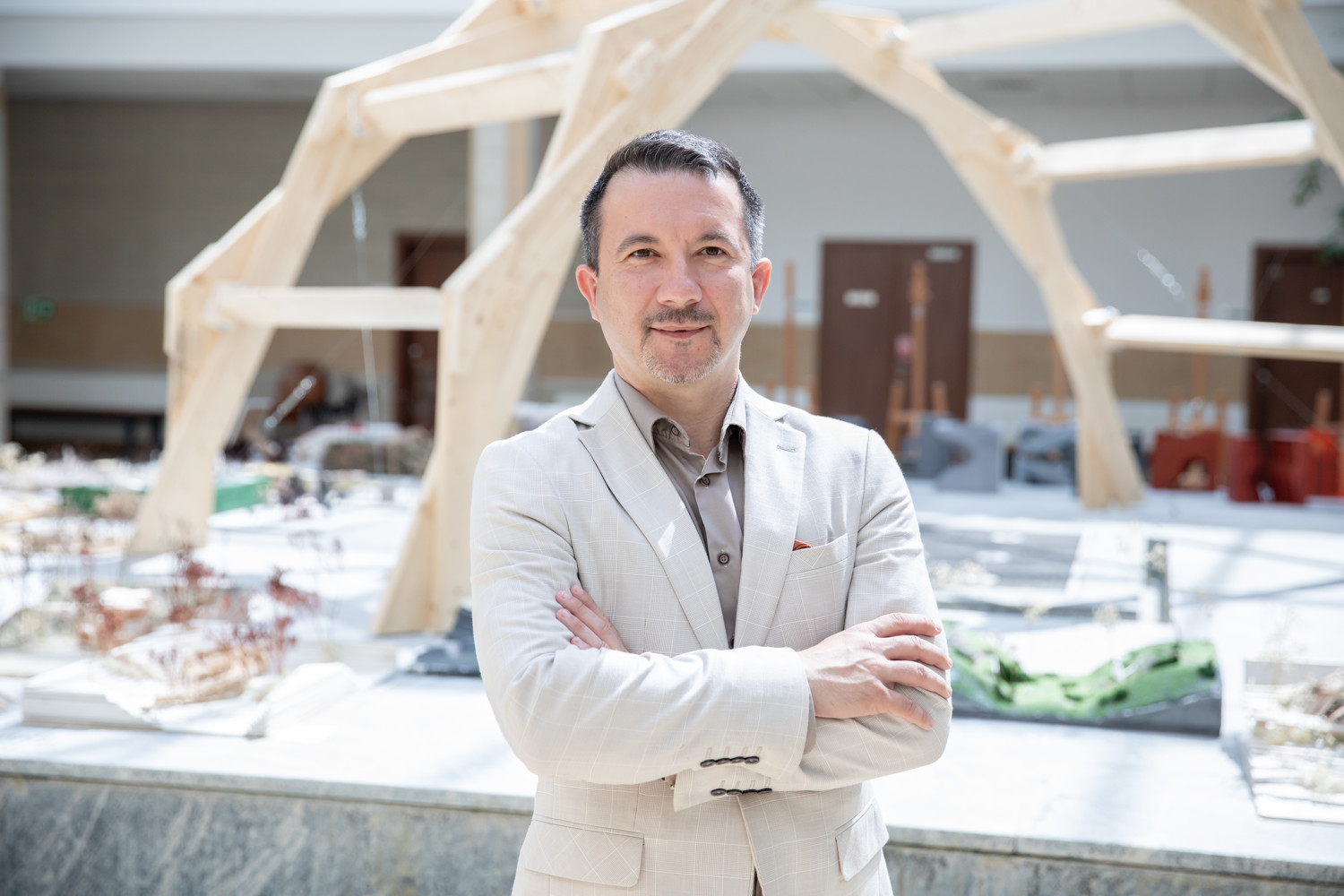
Konrad Burdyka, PhD, LOC at SGGW
Main topic: Non-Governmental Organizations in Rural Poland: Ethos and Values as the Pillars of Social Resilience
This research combines a rural sociology perspective (ethnographic fieldwork on social capital and intangible cultural heritage) with hands-on experience in third-sector sports organizations. The study explores how cultural factors—such as value systems, personality ideals, and local embeddedness—affect social resilience and the success of grassroots NGO initiatives.
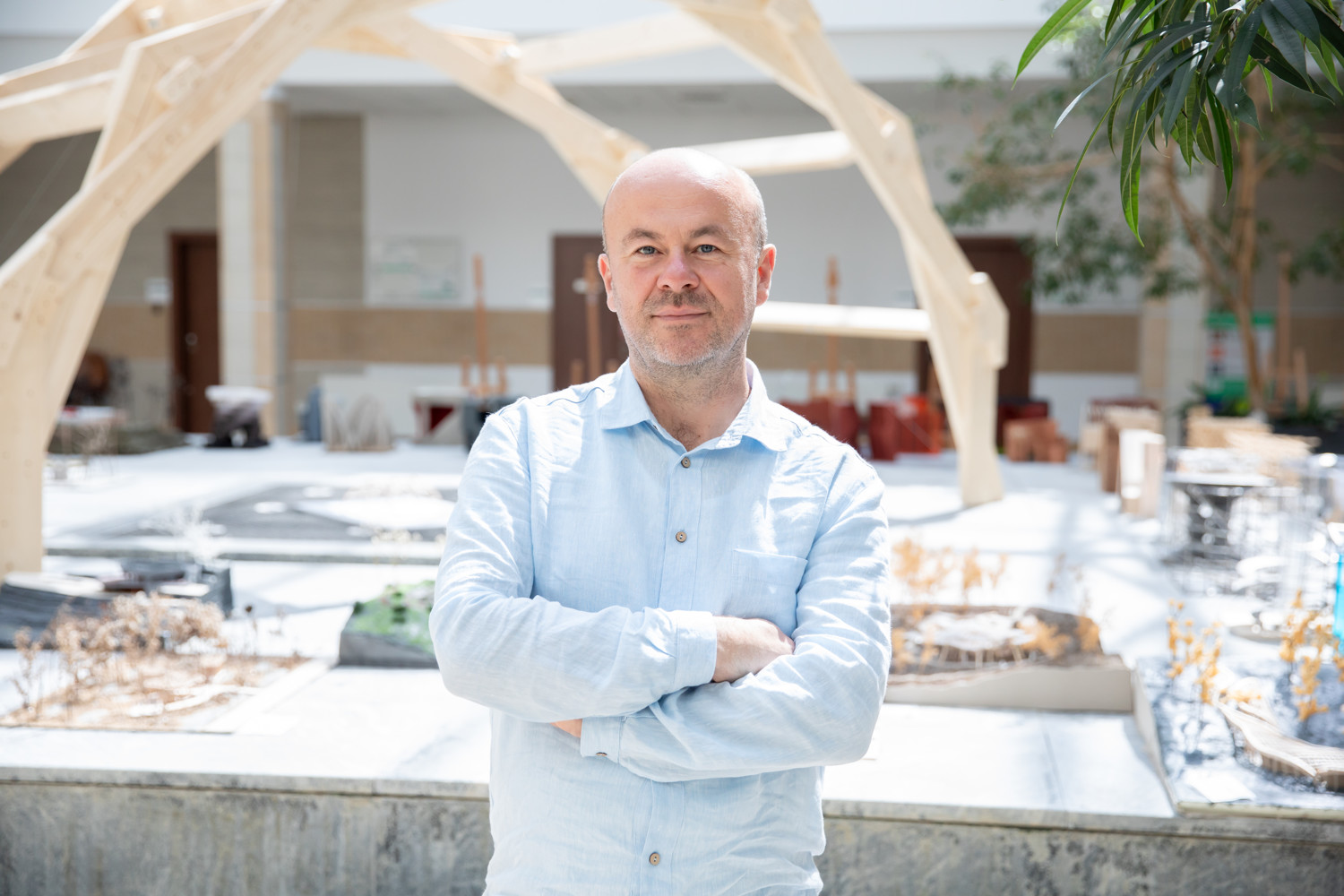
Wojciech Połeć, PhD, LOC at SGGW
Main topic: Social and Cultural Diversity, Cultural Memory and Ethnic Identities
Wojciech Połeć, PhD, is a sociologist and anthropologist at the Department of Sociology, Institute of Social Sciences and Education, Warsaw University of Life Sciences (SGGW). His research interests focus on social and cultural diversity, material culture, national and ethnic minorities in Poland, and the processes through which cultural memory and ethnic identities are formed and maintained.
His academic work also explores shamanism, ethnic beliefs, and the cultures of Buryat and Mongolian communities. As an experienced field researcher, he specialises in qualitative research methods, particularly in-depth interviews and participant observation. His research combines sociological and anthropological perspectives to examine the relationship between culture, identity, collective memory, and social change.
Prof. Jolanta Grotowska-Leder
Main topic: Contemporary social problems from various theoretical and methodological perspectives
This year’s 17th ESA Congress, held in Warsaw, is my eleventh. The topics of my previous congress presentations document the development of reflection and research on contemporary social problems and risks. At my first two congresses (2nd Budapest 1995, 3rd Essex 1997), I presented the issue of poverty in Central European countries from cultural and underclass perspectives. My analysis at the 4th (Amsterdam 1999), 5th (Helsinki 2001), and 7th (Toruń 2005) congresses concerned on unemployment in various aspects of social inequality and social exclusion. At the next three (8th Glasgow 2007, 9th Lisbon 2009, 10th Geneva 2011), I addressed the spatial differentiation of key social problems and ways to overcome them. At the meetings in Manchester (14th) and Porto (16th), I presented issues of emerging adulthood as a complex new stage in the life course, as well as patterns and barriers to reaching adulthood. This year, I focused on the phenomenon of declining fertility as a result of post-modern risks and the creation of new threats in individual and social life.
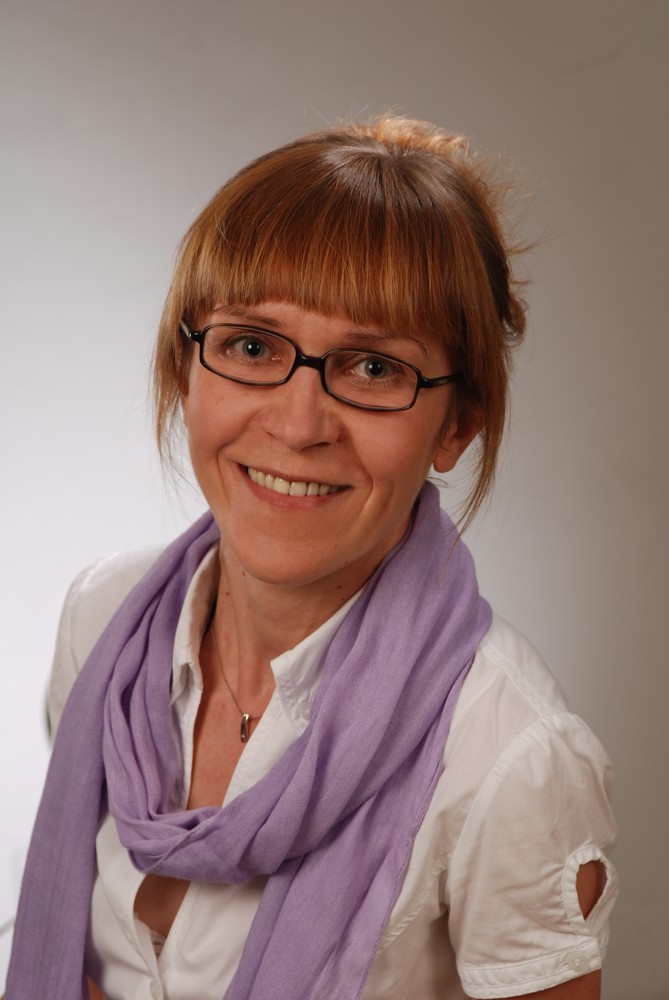
Prof. Anna Śliz
Main topics: Her main fields of scientific interest are theoretical sociology, cultural sociology and multiculturalism, sociology and ethnic conflicts, social change and development.
Her research focuses on theoretical reflections regarding contemporary issues related to multiculturalism. These are liberty, equality, and the rule of law – fundamental values of liberal democracy viewed in the context of cultural (ethnic) diversity – and multiculturalism as an idea and practice (policy) linked to the construction of social order based on cultural (ethnic) diversity. She conducts theoretical analyses spanning the history of social thought and classical sociological theories through to contemporary sociological and social theories. Selected publications: Wielokulturowość: stygmat współczesnego świata? Próba analizy socjologicznej [Multiculturalism: A stigma of modern world? An essay at sociological analysis] (Wydawnictwo Uniwersytetu Opolskiego, 2017); Różnorodność a równość. Projekty wielokulturowości w perspektywie socjologicznej [Diversity and equality. Multiculturalism projects from sociological perspective], “Studia Socjologiczne”, 2021 (with Marek S. Szczepański); Demokracja liberalna i wielokulturowość [Liberal democracy and multiculturalism], “Kultura i Społeczeństwo”, 2025
Karol Chrobak, DSc
Main topics: Helmuth Plessner’s philosophy of life, Leon Chwistek’s critical rationalism, the ontological foundations of social life, the figure of the Stranger/Other, universalism vs. relativism, violence in philosophical perspective, multicultural and sociological imagination
His research moves at the intersection of philosophical anthropology, social ontology, and social and political philosophy. Author of monographs on Leon Chwistek’s critical rationalism and Helmuth Plessner’s philosophy of life. In recent years his work has turned toward the tensions between universalism and cultural particularity in contemporary societies: together with Anna Śliz he co-authored Uniwersalizm praw człowieka a relatywizm kulturowy. Studium wyobraźni wielokulturowej (Wydawnictwo Naukowe Scholar, 2025), and his articles have appeared in leading Polish sociological journals, including Studia Socjologiczne („Dwa pojęcia Obcego w myśli socjologicznej”, 2021) and Kultura i Społeczeństwo („Liberalizm i komunitarianizm. Analiza sporu”, 2025). His current research concerns the problem of violence in philosophical perspective and the role of imagination in the social sciences.
Emilia Paprzycka, DSc
Main topic: Transformations of intimacy: changes in contemporary intimate relationships from a gender perspective
Research aimed at identifying changes in the intimate lives of women and men and their determinants. The research focuses primarily on the dynamics of intimate relationships—their construction and deconstruction, partner selection strategies and their socio-cultural transformations, alternative forms of marital life (primarily single life), and changes in gender-related social roles and patterns of masculinity and femininity.
Piotr Swacha, DSc
Main topic: Political Elites, Climate Policy and Public Governance
Research focuses on political elites at the parliamentary, local and European Union levels, as well as governance and cooperation between public institutions, non-governmental organizations and economic actors in the implementation of environmental and climate policies. It also examines political and media discourse on climate change and contemporary environmental challenges. The research is situated within the fields of political sociology, public sociology and environmental sociology, while applying methods such as Social Network Analysis and Discourse Network Analysis to better understand political decision-making and policy implementation.
Katarzyna Bogacka, PhD
Psychologist and art historian. Her main research interests, located in the areas of social history of art, symbolism, and iconography, include issues related to the insignia of ecclesiastical authority, the iconographic record of social life, the symbolic and social significance of works of art, and the psychological functioning of humans in society. Currently, she focuses on social phenomena related to sacred art and the symbolic significance of objects in a cultural context. She has published five authored books, three edited books, and over 70 articles (in Poland and abroad).
Tomasz Herudziński, PhD
Main topic: Perception of Local Government Authorities in the Context of Contemporary Social Change
The research focuses on analysing how citizens perceive elites, particularly local government authorities, in the context of contemporary social change. Special attention is given to the determinants of social trust, public opinion, and shifts in social mentality that influence assessments of the effectiveness of local governance. The research also examines the role of local governments in addressing developmental challenges and fostering public acceptance of the policies and initiatives they implement.
Agnieszka Maj, PhD
Main topic: Sociology of food
Her research focuses on the specific ways in which physicality is perceived in contemporary culture, the social determinants of body care and physical appearance, the social determinants of obesity, and the sociology of food.
Sociology of food examines the social patterns of food production, distribution and consumption. It seeks to uncover the links between social organisation and the behaviour of individuals. It analyses the socio-cultural, political and economic factors that influence dietary patterns, and in explaining these, it takes into account the role of the social environment in which food is produced and consumed.
Wojciech Mincewicz, PhD
Main topic: Socio-Political Implications of Digital Transformation: Cryptocurrencies, Blockchain, and Cybersecurity
The studies and research undertaken to explain the determinants and consequences of contemporary technological acceleration employ an interdisciplinary approach, based on the fundamental assumption that digital innovations such as blockchain technology, cryptocurrencies, and generative artificial intelligence are actively reshaping state policies, security structures, and social relations. This approach calls for the analysis of ongoing digital changes from the perspective of public administration, national security, and civic engagement, highlighting the predominance of decentralized networks and data-driven processes that are leading towards the emergence of a cashless, cyber-dependent society.
Marek Sierakowski, PhD
Main topic: Locality, social constructivism, regionalism, social self-awareness, local traditions
My scientific interests relate primarily to the importance and use of the concept of social constructivism to explain the changes taking place in small homelands. In particular, at the level of social self-awareness of local leaders. Self-determination of local leaders is an important component of contemporary cultural tendencies in regional communities. The approach that interests me is to understand the use of local traditions to construct social reality in its various aspects. It is also a re-reading of the social heritage of the region in which local leaders operate.
Weronika Skorupska, MA
Main topic: Cooperative Movement and Civil Society
My research interests include civil society, political and civic education, cooperativism, and neurodiversity—in particular, the social functioning of people on the autism spectrum. I am currently working on my doctoral dissertation on the new wave of cooperativism in Poland, which combines economic and social activities in contemporary Poland.
Michał Wujek, MA
Main topic: Family – Student – Career Office – Employer. A systemic model of talent recognition and labour market matching
Michał Wujek is a researcher working at the intersection of sociology, psychocybernetics, and human sciences. His research explores individual development, decision-making, and the formation of educational and career pathways, with particular emphasis on psychocybernetic approaches to understanding human potential. At the European Sociological Congress, he will present findings from a study conducted among university students using a psychocybernetic assessment tool. The results indicate limited institutional support for recognising individual predispositions and making informed career decisions. The study highlights the role of higher education institutions in developing students’ potential and demonstrates practical applications of psychocybernetics in education and career guidance.
Maciej Buczak, MA
Main topic: Statistical Methods and Their Limits in Describing Social Reality
The research undertaken concerns the possibilities and limitations of quantitative methods used to describe complex, uncertain phenomena. Drawing on experience in modeling risk and extreme events, the work explores how statistical concepts — probability distributions, stationarity, extreme value theory, stochastic processes — can be applied as a general framework for describing the dynamics of social reality. Particular attention is given to the boundary conditions of such models: the assumptions they rely on, the situations in which they fail, and the consequences of treating human behavior as reducible to random variables. This perspective connects the language of statistics with concepts from the social sciences, aiming to build a more adequate conceptual apparatus for describing both expected and unexpected states of social phenomena.
Milena Maj, MA
Main topic: Urban Ageing, Age-Friendly Cities, Recognition and Co-Creation with Older Adults
My research focuses on urban ageing and the development of age-friendly cities through participatory and co-creation approaches involving older adults. Drawing on recognition theory, I explore co-creation as a relationship of mutual recognition that enables older adults to participate as valued partners in shaping urban environments. I was involved in the international research project City&Co: Older Adults Co-Creating Sustainable and Age-Friendly Cities, which aimed to co-create, together with older residents of four European cities, a web-based application enabling them to report observations and experiences related to everyday urban life. The tool was designed to collect residents’ perspectives on public spaces, urban infrastructure, accessibility of services, mobility, housing, opportunities for social and civic participation, and other factors influencing the age-friendly city.